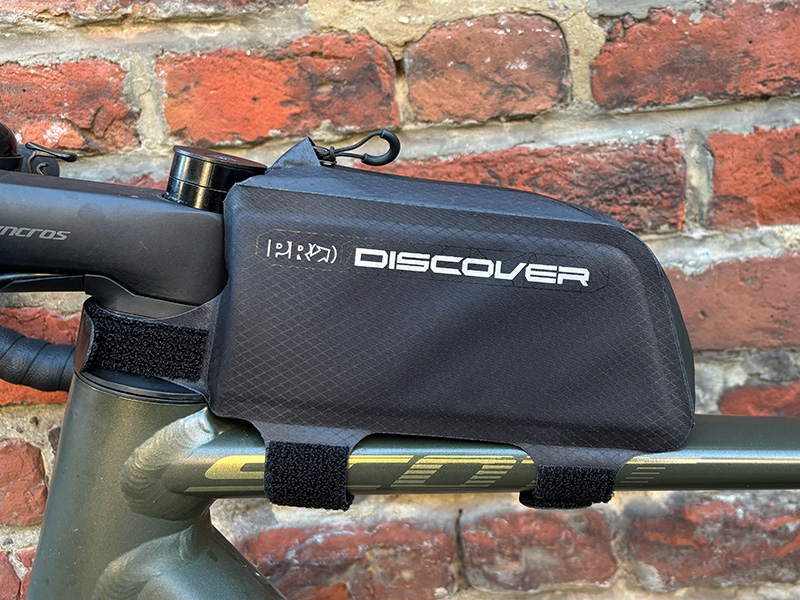
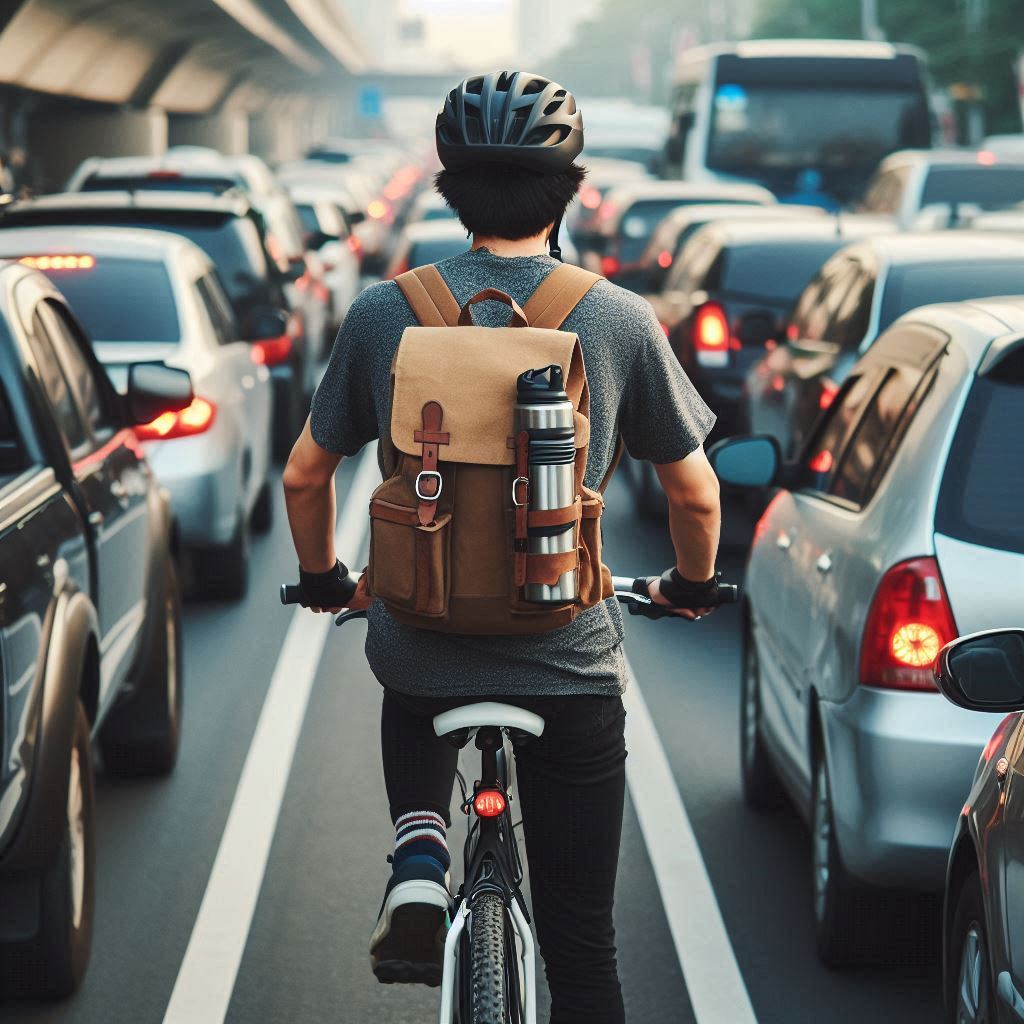
bike commuting, or the use of bicycles to get to work, is a practice that attracts more and more urban dwellers. But not all bikes are equal when it comes to comfort, performance and versatility for daily trips. Whether it is for urban journeys, rough roads or long journeys, there is a type of bike suitable for each situation. Here are the 5 most popular and convenient bikes for the bike commuting.
To accompany the choice of a new bike for the bike commuting, you can also consult our selection of rain equipment.
1. Fixie (fixed pinion bike)
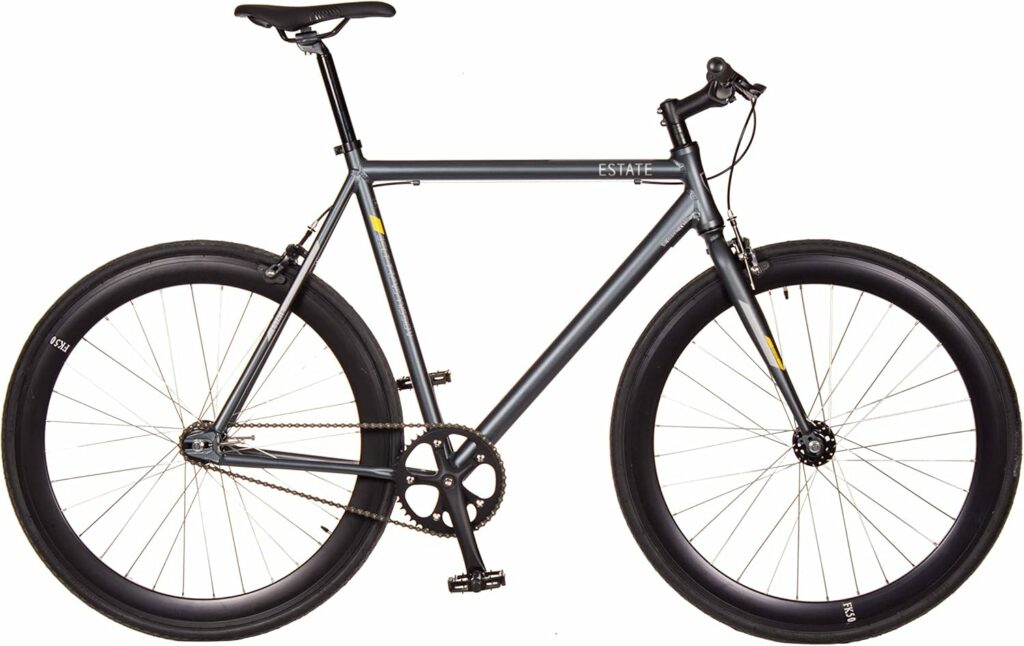
The fixie, or fixed gable bike, is a minimalist choice for urban cyclists. Without derailleur or complex mechanism, it is light, simple and requires little maintenance. This type of bike is appreciated for its responsiveness in the city and its ability to navigate easily in dense traffic.
Benefits:
• Lightweight and easy to manoeuvre. • Minimal maintenance (less mechanical parts). • Minimal aesthetics.
Disadvantages:
• No change in speed, which can be difficult in climbs. • Less comfort over long distances.
2. The Electric Assistance Bike (VAE)
The VAE has become a must-have for daily trips, especially if you have to travel long distances or climb coasts. Electrical assistance reduces effort while maintaining the feeling of pedaling. This is the perfect choice for those who want to get to work without sweating.
Benefits:
• Facilitates long distances and climbs. • Reduces physical effort while maintaining a good speed. • Ideal option for cyclists of all levels.
Disadvantages:
• Higher cost than a classic bike. • Heavier, especially with battery.
3. Gravel adapted to the city
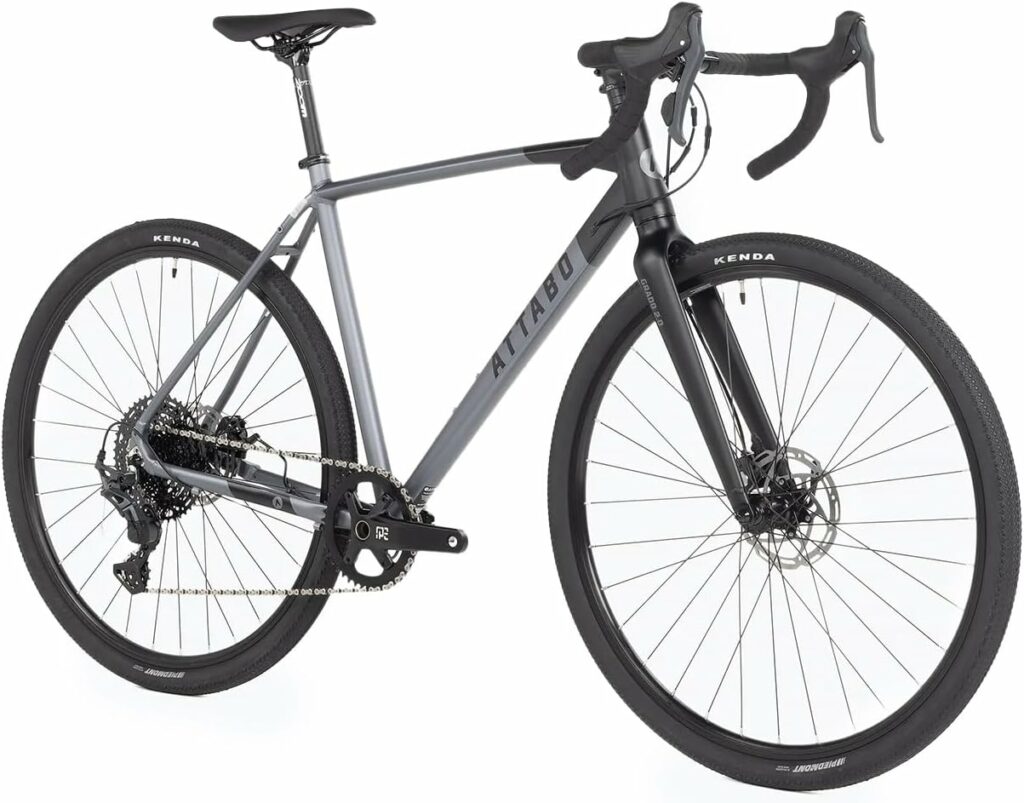
The gravel is a versatile bike, able to ride both on dirt roads and on paved roads. By equipping finer tyres or luggage racks, it becomes an excellent option for the bike commuting. This type of bike is ideal for those who alternate between urban and more rugged roads.
Benefits:
• Polyvalent for riding on different types of terrain. • Robust and suitable for long distances. • Can be equipped with accessories like bags.
Disadvantages:
• Heavier than a classic road bike. • Requires some modifications to be optimized for the city.
4. The Folding Bike
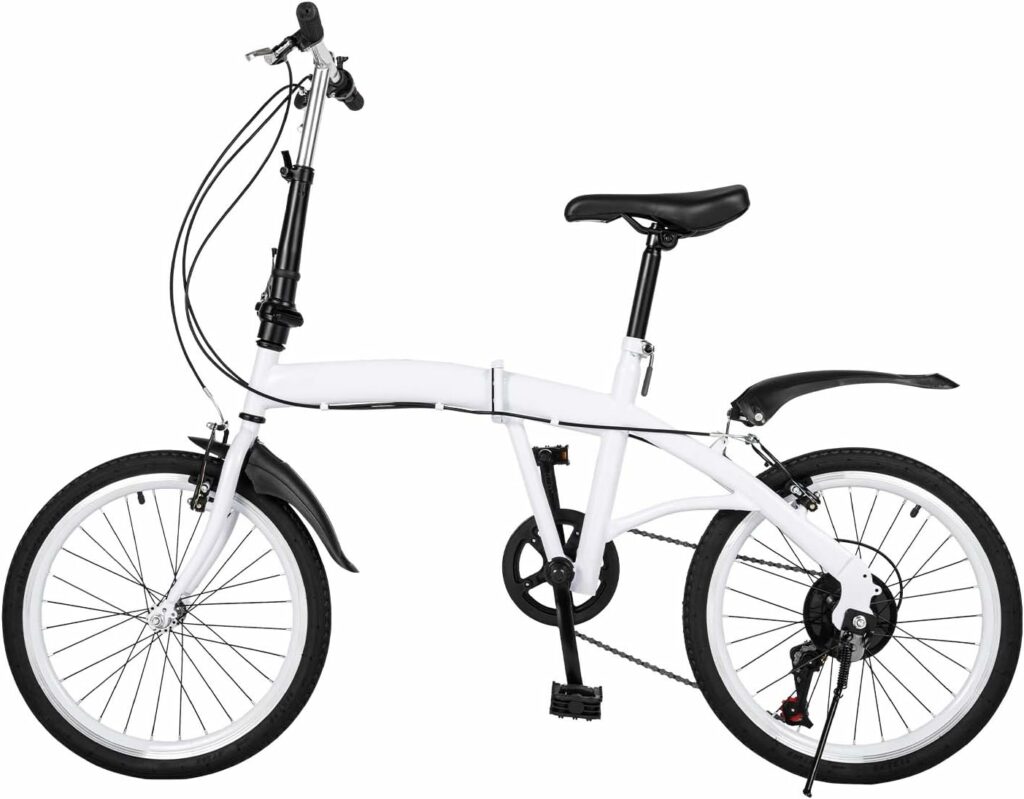
Ideal for combined trips (bike + public transport), the folding bike is perfect for those who lack storage space or need to carry it easily. Very convenient in dense urban areas, it allows to store the bike under an office or in a small apartment.
Benefits:
• Easy to carry and store. • Ideal for multimodal journeys (train, metro, bus). • Light and compact.
Disadvantages:
• Less comfortable on long distances. • Less efficient in speed.
5. The Classic City Bike
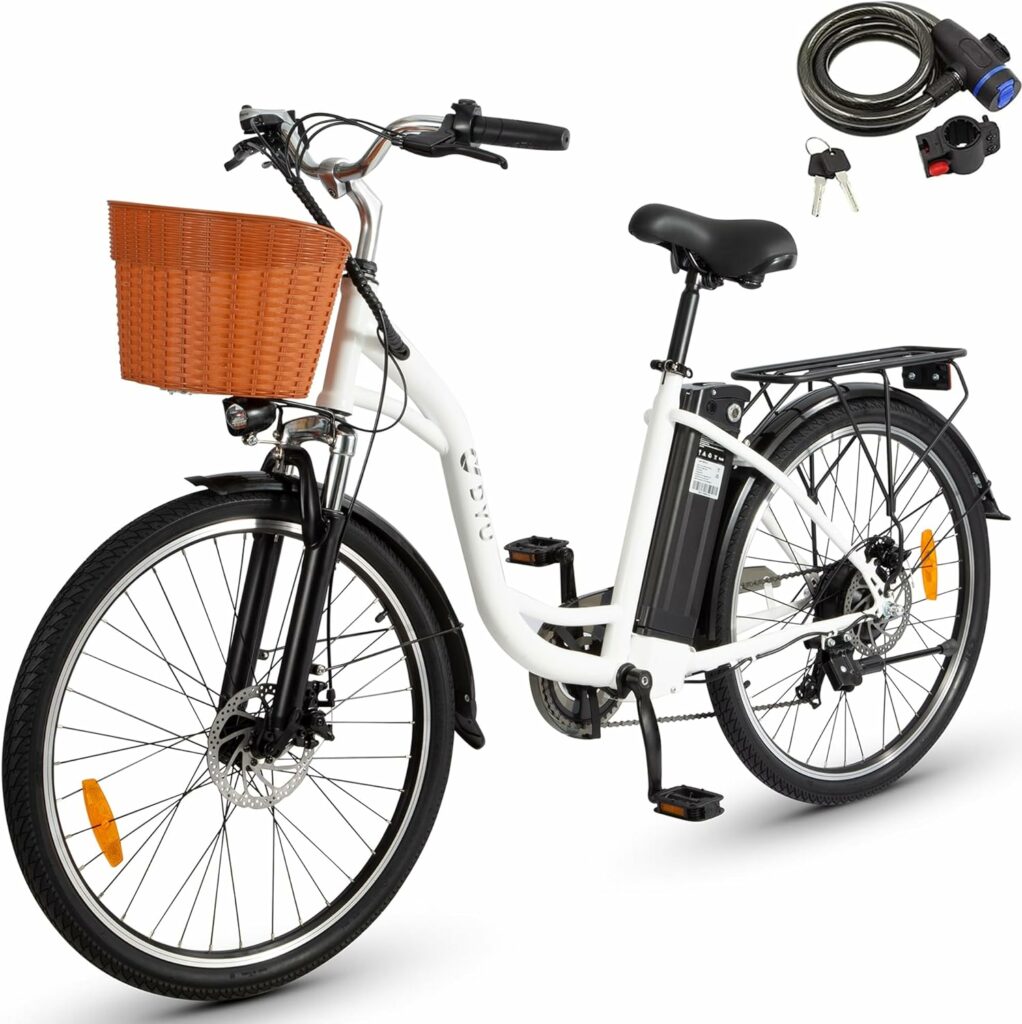
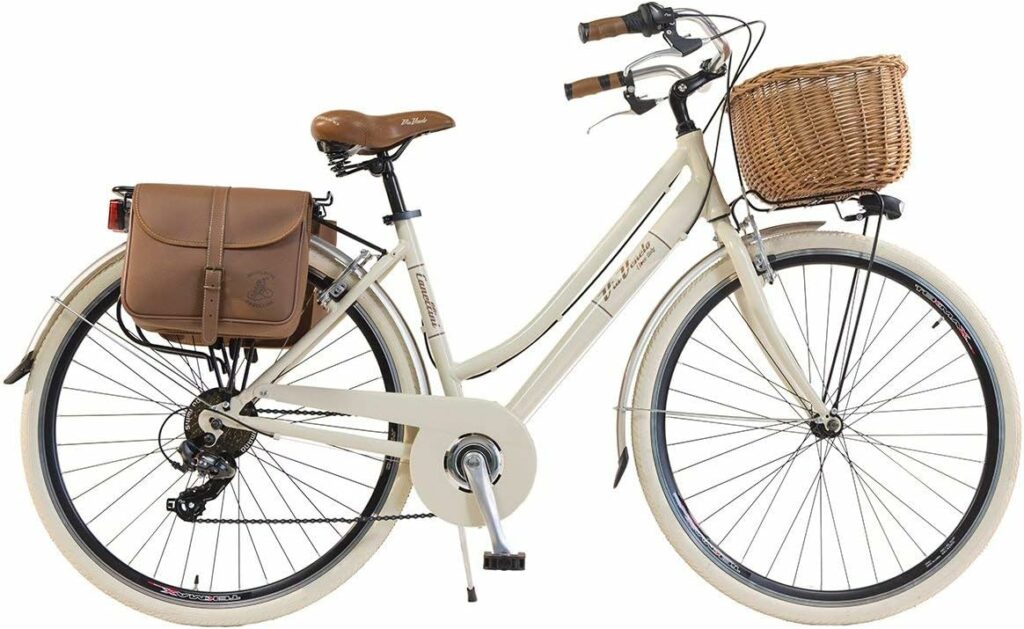
A classic city bike is often the first choice for urban cyclists. Designed to be comfortable and practical, it is often equipped with useful accessories such as luggage racks, mudguards, and sometimes a low frame to facilitate climb and descent. It is ideal for short or moderate trips on well-maintained roads.
Benefits:
• Comfortable and ergonomic for the city. • Equipped with useful accessories such as mudguards and luggage racks. • Versatile for the city and daily travel.
Disadvantages:
• Less suitable for long distances or difficult terrain. • More heavy than some other models, such as fixed.
How to choose the right bike for the bike commuting?
The choice of bike for the bike commuting depends on the individual needs and the journeys to be travelled. Whether you prefer lightness with a fix, the power of a VAE, or the versatility of a modified gravel, each type of bike has its advantages. The essential is to choose a model that matches your lifestyle and the specifics of your daily journey. Whatever the model, the bike commuting remains an ecological, economical and healthy solution to get to work.