Cycling is a sport of endurance, but also strategy. Runners need to know when to attack, when to rest and when to use tactics to take advantage of their opponents. Among these tactics, there is the border stroke. But what is a border stroke and why is it so risky?
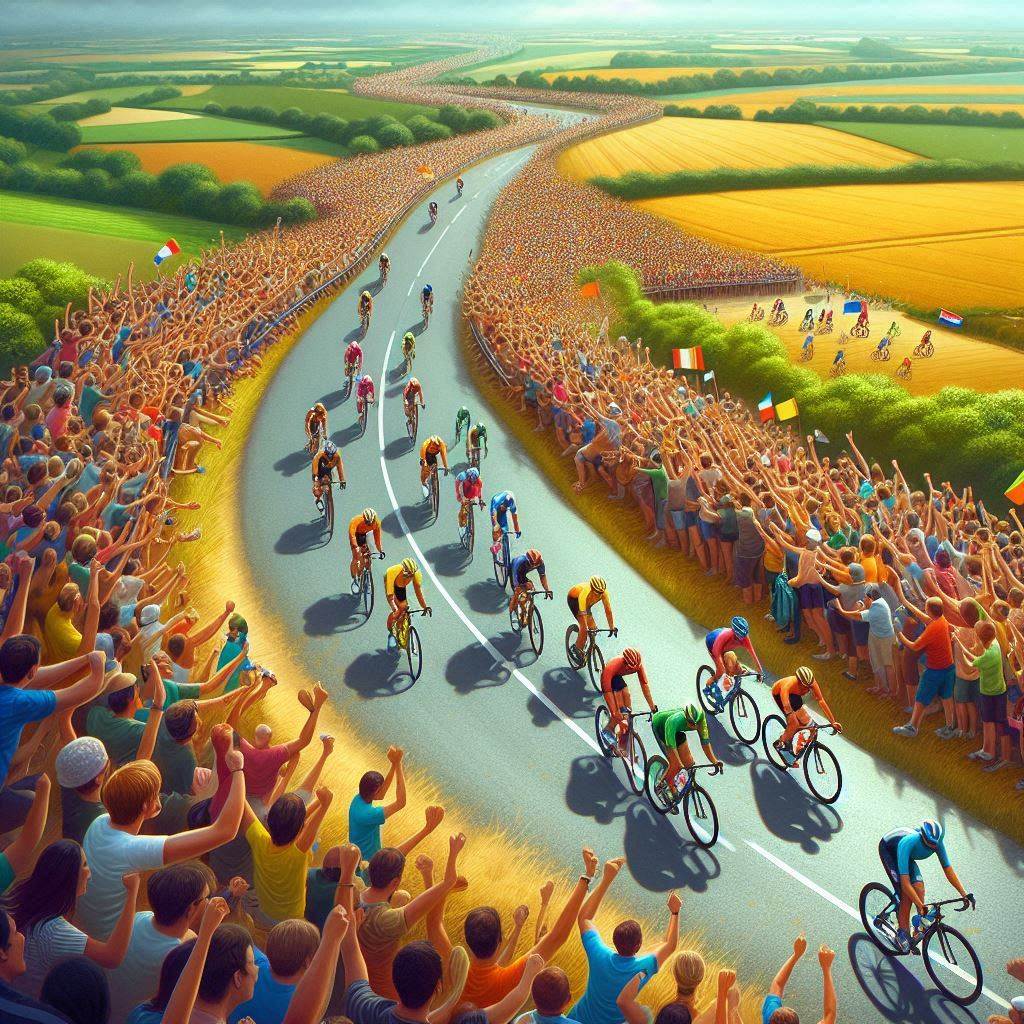
A border stroke is a sudden and powerful attack by one or more riders, which usually occurs when the wind blows laterally on the road. The aim is to create a break in the peloton, taking advantage of the fact that some riders are more exposed to the wind than others.
The riders at the front of the pack are better protected from the wind and can therefore drive faster and easier than those at the rear. If the leading riders suddenly accelerate, those in the rear must provide an additional effort to keep pace and not get distanced.
The border stroke is a risky tactic, because it requires good coordination between the riders and a good knowledge of the course and the weather conditions. If the border stroke is poorly executed, the riders can find themselves alone at the front of the peloton, without any support, and be quickly caught up by the other riders.
In addition, the edge stroke can cause falls and injuries, as runners have to drive very close to each other to protect themselves from the wind.
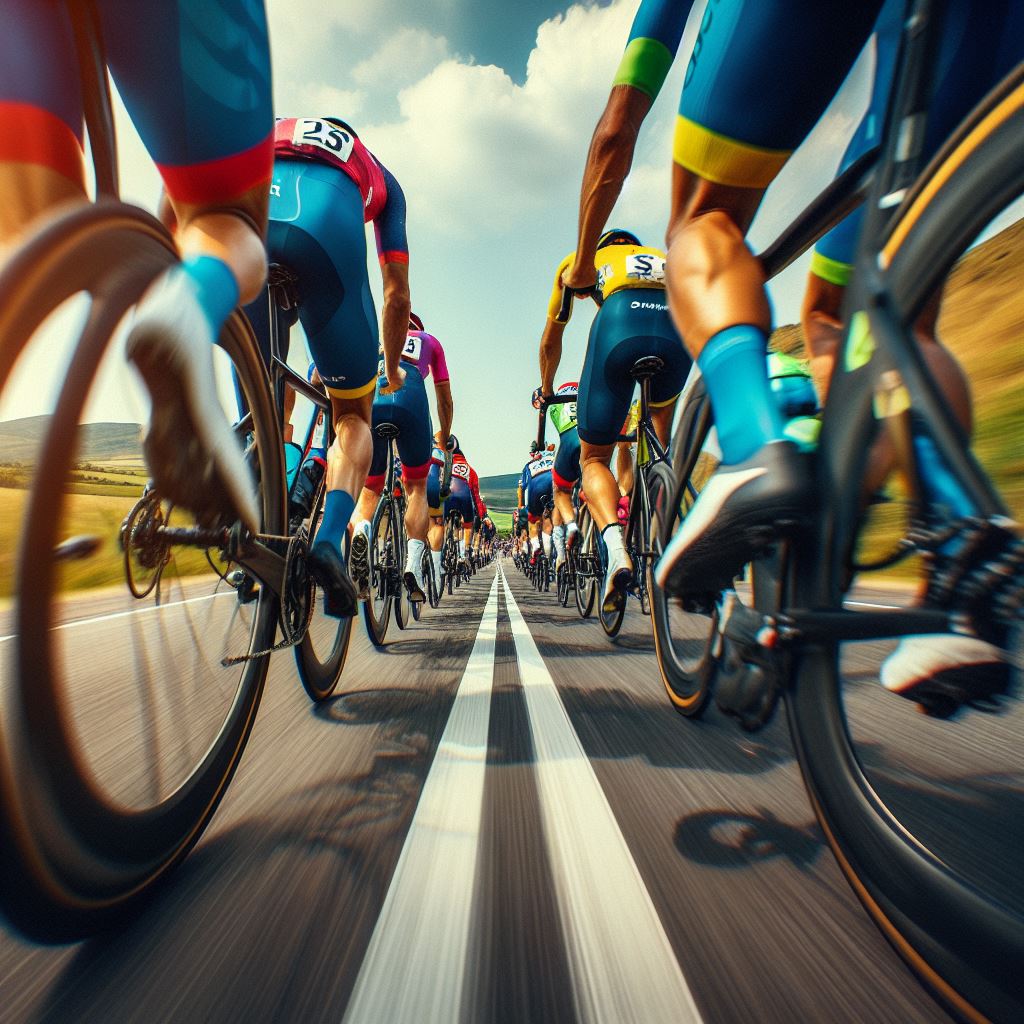
However, the border stroke can also be a very effective tactic, as it can create large differences between riders and allow some of them to take the advantage over their opponents. Edge strokes are often used in day races, such as spring classics, where riders have to travel long distances and face difficult weather conditions.
One of the most famous examples of a successful border stroke was the 2018 Paris-Roubaix race. Belgian rider Peter Sagan attacked more than 50 kilometers from the finish, taking advantage of a lateral wind to create a break in the peloton. He then rode alone for more than 30 kilometers, resisting the attacks of his opponents and finally winning the race with a comfortable lead.
In conclusion, the edge stroke is a risky but sometimes paid tactic in cycling. Runners must be ready to take risks and work together to succeed in a border stroke. But if they do, they can take advantage of their opponents and win the race.