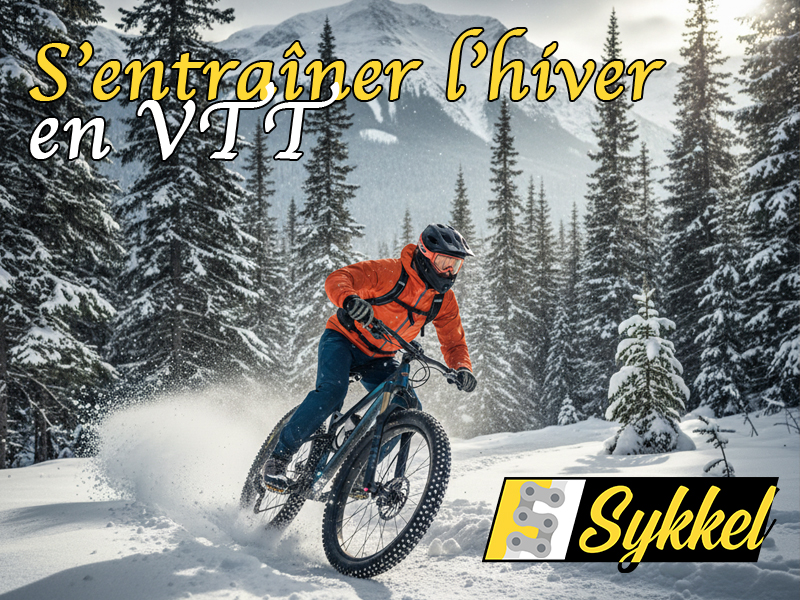
Winter is no longer a dead season for mountain bikers. On the contrary, facing the cold, mud and sometimes snow makes it possible to progress and experience unique sensations in nature. But driving outside at this time requires careful preparation, both for the choice of equipment and for safety on the ground.
The essentials to equip against the cold
To practice outdoor mountain biking in winter, the first rule is to equip well to preserve comfort and avoid heat loss.
- Thermal jacket Choose a windproof and breathable jacket with a warm lining. Models with ventilation zips allow quick adjustment of the temperature during effort.
- Technical underlayers : Prefer the system three layers: a first layer near the body that evacuates the sweat, an insulator intermediate layer, and an outer jacket.
- Fitted gloves : Cold hands can quickly ruin an exit. Waterproof, lined and sufficiently flexible gloves keep in touch with the hanger and brakes.
- Long pants or shorts : Ideal to protect the legs from cold and water or mud projections.
- Protection of face and neck : Cover-neck, thin cap under the helmet or windproof hood are very useful accessories.
Manage weather and technical terrain
Winter brings its lot of constraints, but adventure is at the rendezvous if we respect some basic rules.
- Anticipate the weather : Check the forecasts before each exit and avoid sessions due to extreme cold or risk of freezing. Prefer the time zones where the temperature is most mild, often between 11am and 3pm.
- Adapt your course : Prefer known roads, less exposed to wind and flood risks. Identify potentially slippery areas (root, stone, dead leaves, mud) to anticipate braking and avoid falls.
- tyre pressure : Lightly reduce tyre pressure to increase grip and comfort on wet or snowy terrain.
Safety and precautions in action
Driving safely in winter mountain bikes also means adopting the right reflexes and being ready to react.
- Visibility : Underscored by the wearing of clear or reflective clothing, and a front or rear lamp even on a greyish day.
- Express repair : Slide a spare inner tube, tinker with a multifunctional tool, and have enough to clean the transmission on long outputs.
- Communication : Inform a relative of the planned itinerary and take a phone loaded for emergency.
- Hydration and feeding : The cold underestimates dehydration, think about drinking regularly and take energy snacks.
Training on mountain bikes all winter is possible thanks to a good choice of equipment, fine reading of the weather and adapted safety reflexes. This guarantees efficient, more varied sessions and gives a real boost to your level for next season.