
When winter settles and the cold bites, snow and rain fall, many passionate cyclists continue to pedal despite difficult weather conditions. Winter cycling can be an exciting and refreshing experience, but it is essential to take precautions to stay safe.
In this article, we will explore the benefits and risks of cycling in winter, as well as the measures to be taken to take advantage of this activity while minimizing potential hazards.
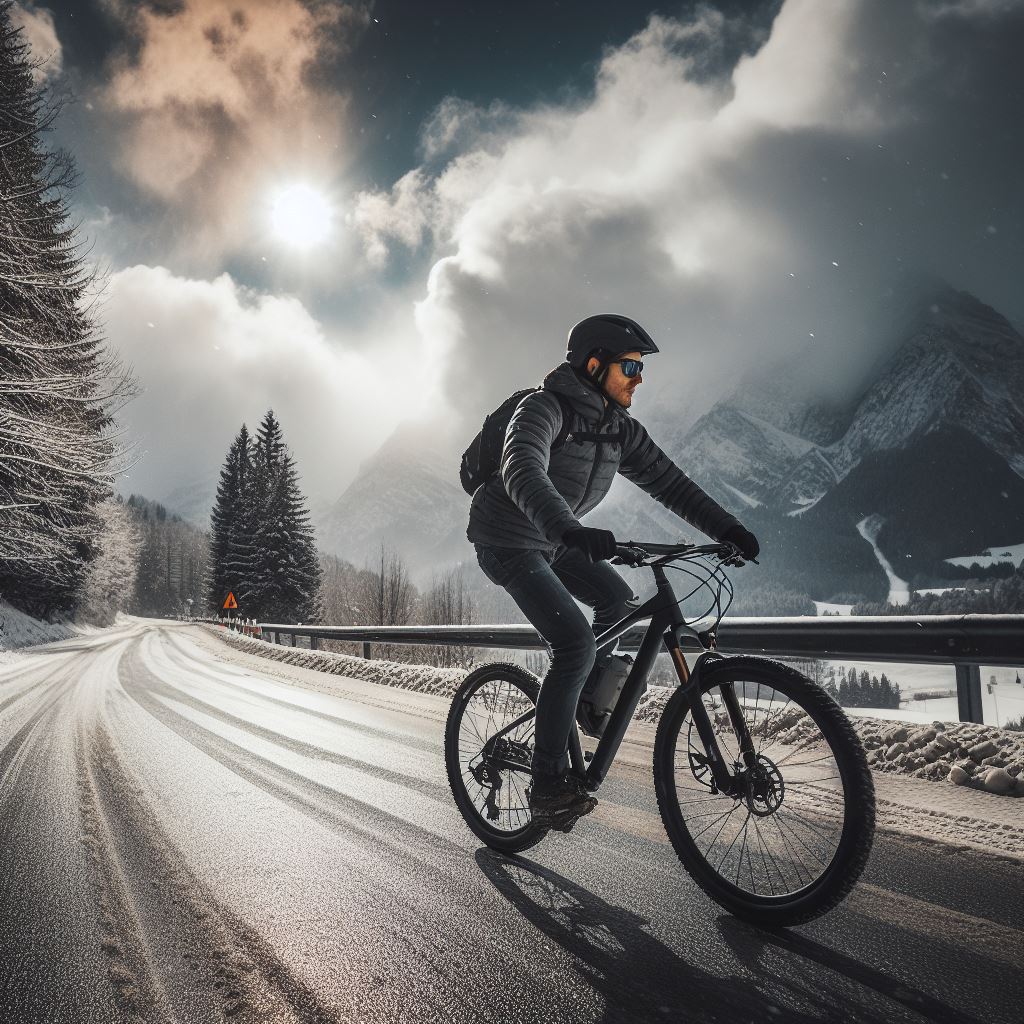
The advantages of winter cycling
Winter cycling has many advantages for lovers of two wheels. Here are some of the reasons why many cyclists brave the elements during the cold season:
- Continuous training Winter cycling helps maintain physical fitness and endurance throughout the year, thus avoiding a difficult recovery in the spring.
- Escape from Routine : Cycling in winter can offer a welcome break from the daily routine and stress of urban life. Snowy or frosted landscapes add a touch of beauty to each exit.
- Strong sensations : The feeling of ice wind on the face, the snow under the tyres, and the dry slam of the ice are all stimuli that provide a unique experience for winter cyclists.
- Mental strengthening Winter cycling requires strong determination and mental resistance. Facing the elements will help you develop your mind and perseverance.
The dangers of winter cycling
Despite the benefits of winter cycling, it is essential to recognize the potential risks associated with winter cycling. Winter conditions can make roads slippery and unpredictable, increasing the chances of accidents. Some of the dangers faced by winter cyclists include:
- Slides and falls Snowy or icy roads can cause falls and slides, which can cause injuries.
- Reduced visibility : Winter days are short, and visibility can be reduced due to precipitation and lack of natural light. Motorists may find it difficult to spot cyclists.
- Hypothermia and gels : Extreme cold can lead to health problems such as hypothermia and frostbite, especially if you are not properly equipped.
- Maintenance of the bike : Winter conditions can speed up the wear of your bike. It is essential to monitor the condition of your mount and keep it in good working order.

Tips for riding safely in winter
To enjoy winter cycling while minimizing risks, here are some essential tips:
- Equip yourself properly : Wear clothing suitable for the season, including thermal layers, gloves, overshoes and a hat. A waterproof and windproof jacket is also essential.
- Adapted tyres : Choose suitable tyres for snow or ice. The nailed or cramped tyres offer better grip on slippery roads.
- Lighting and visibility : Equip your bike with front and rear lights, even in daylight. Wear reflective clothing to be visible.
- Plan a safe route : Plan your trip by avoiding busy roads and favouring bike paths, if available. Consider weather and traffic conditions.
- Slow down. : Reduce your speed and pay attention to variations in terrain. Avoid sudden maneuvers.
- Stay dry and warm : Make sure you stay dry avoiding excessive sweating. Stop regularly to warm up if necessary.
- Be aware of other road users : Anticipate the behaviour of motorists, pedestrians and other cyclists. Respect the traffic rules.
In conclusion
Winter cycling can be a rewarding experience, offering unique sensations and maintaining your fitness throughout the year. However, strict safety rules are essential to minimize the risks associated with difficult weather conditions. With proper preparation, constant attention and good risk management, winter cycling can become a passion while remaining safe. So, put on your gloves, prepare your bike, and go on adventure in the wonders of winter, safely.