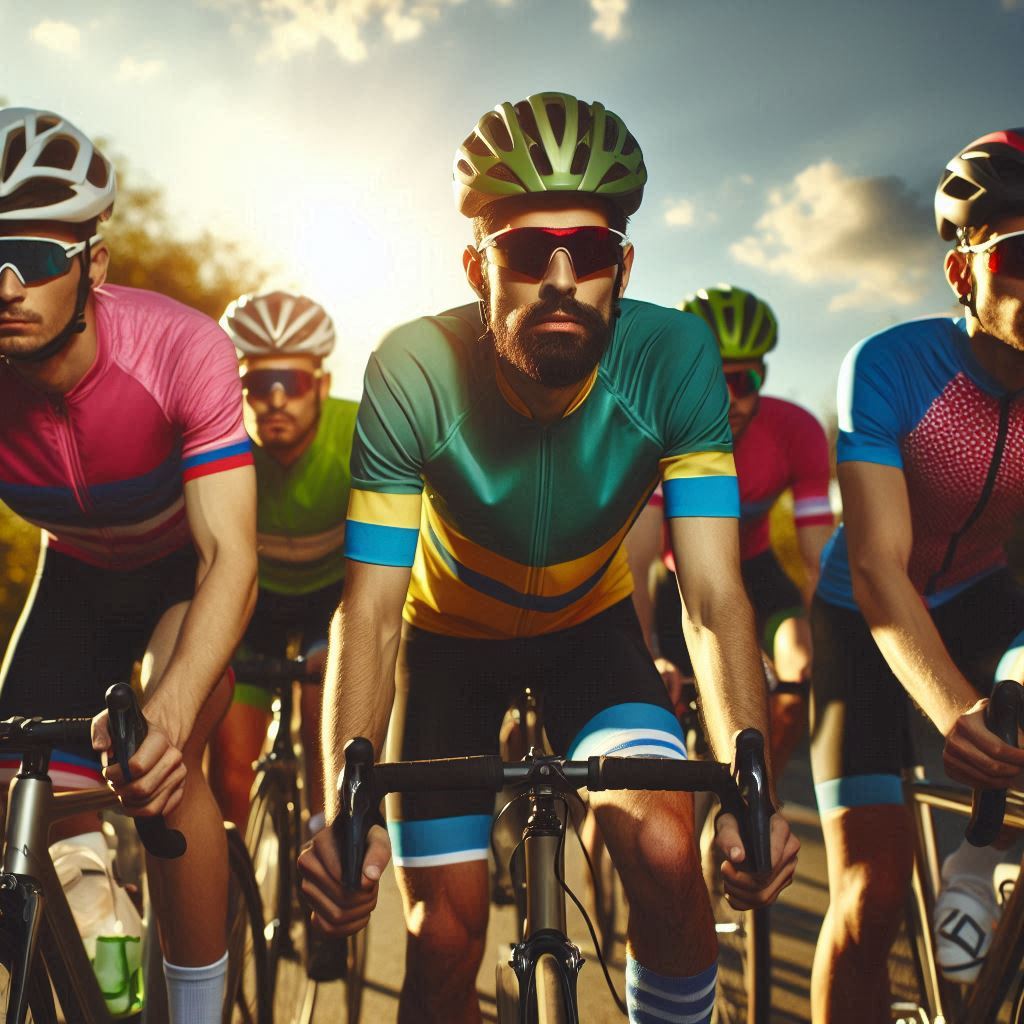
Ultra-distance cycling races, also known as "ultra-cyclism", are cycling events that challenge the limits of human endurance. These races are distinguished from traditional cycling races by their extreme distance, which can range from several hundred to several thousand kilometers, without interruption. Participants face arduous journeys, often in total autonomy, and must manage their sleep, diet and mental condition for extended periods of time.
Pushing the limits of endurance
Types of ultra-distance cycling races
There are a wide variety of ultra-distance cycling races, each with its own rules and its own challenge. Among the most common types are:
- Patents: These untimely tests focus on distance and autonomy. Participants must complete a predetermined course within a specified time frame, respecting checkpoints.
- Online shopping: These timed events take participants on a unique course, often with a departure and arrival at the same place.
- Races in stages: These timed events divide the race into several stages, with general classifications and stages.
- Adventure races: These events combine cycling with other disciplines such as hiking, canoeing and climbing.
Ultra distance cycling rules
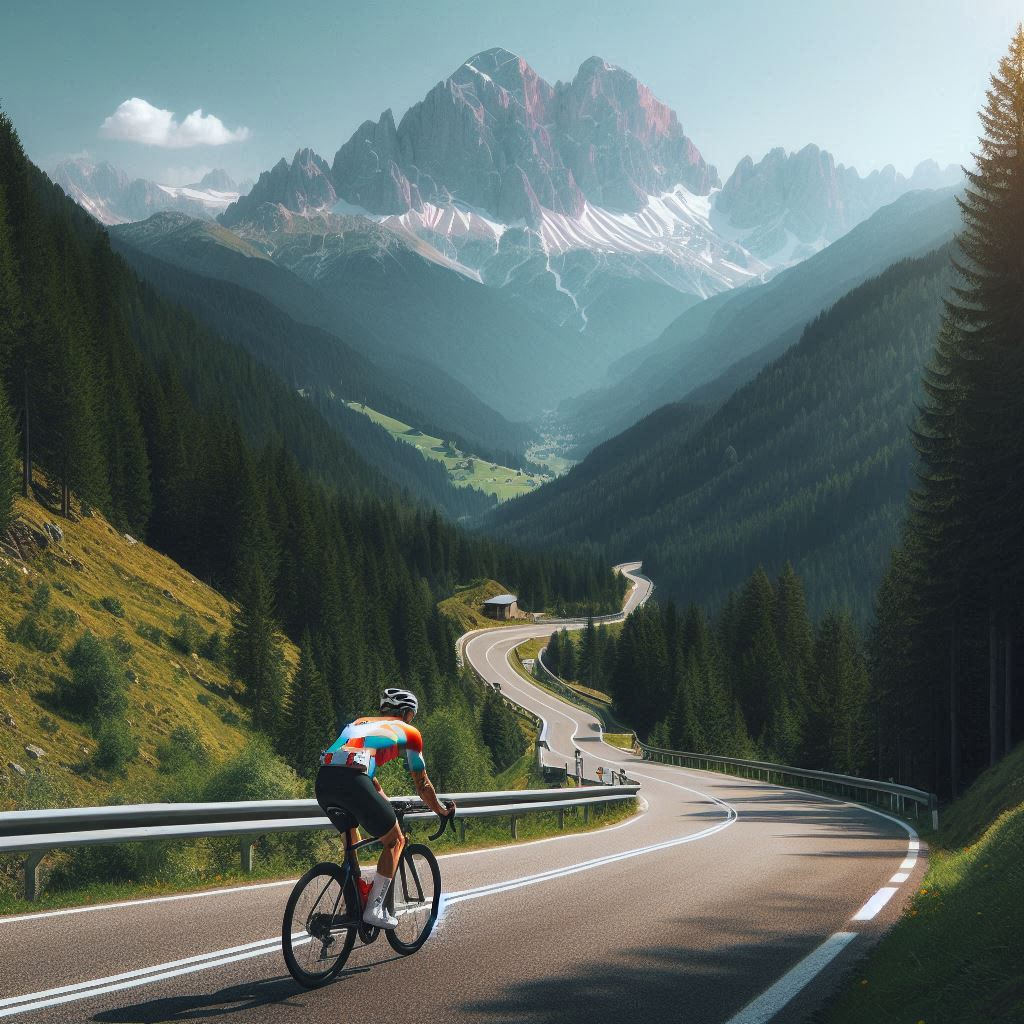
The rules of ultra-distance cycling races vary according to the organizer and the type of event. However, some general rules apply to most races:
- Autonomy: Participants are generally responsible for their own food, water and rest materials.
- Observance of Road Traffic Code: Participants must adhere to the road code and the safety of other users.
- Control points: Participants must pass through specific checkpoints throughout the course.
- Time limits: Participants must adhere to strict time limits for each section of the course.
- Mandatory equipment: Participants must have the mandatory equipment specified by the organizer, such as lights, a GPS and a repair kit.
Challenges of ultra-distance cycling races
Ultra-distance bike races present many physical and mental challenges for participants. Among the most important are:
- Physical fatigue: Participants must endure muscle pain, sore joints and extreme fatigue.
- Lack of sleep: Participants often have to sleep while riding or in improvised places, which can affect their concentration and performance.
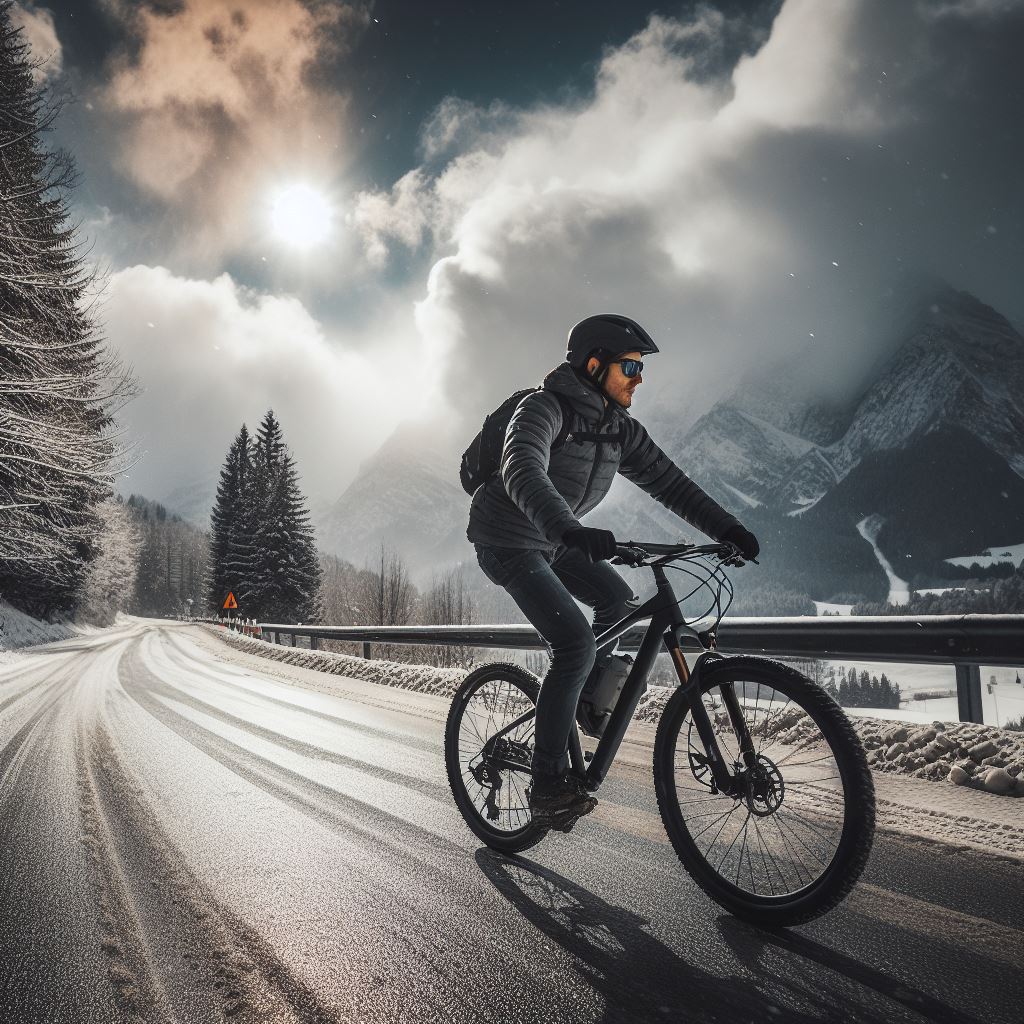
- Weather: Participants may face extreme weather conditions such as heat, cold, rain and wind.
- Food problems: Participants must manage their diet and hydration over long periods of time, avoiding digestive disorders and dehydration.
- Mental problems: Doubt, loneliness and frustration can occur during ultra-distance races, and participants need to develop an important mental strength to overcome them.
Main ultra-distance races
The Race across France, which is part of ultra-distance racing Race Across Series created by Arnaud Manzanini. It is a series of races of different distances, between 300 and 2,500 km across France and Europe. The routes are on bitumen roads with superb landscapes.
The French Divide, which is an ultra distance race Gravel. It crosses France from North to South, for 2,300 km (of which 82% are roads) and 34,350 of positive elevation.
The Bikingman which is an ultra-distance racing championship around the world. Athletes travel the roads of France, Corsica, Brazil, Morocco, ...
And finally one of the most famous races in the world, transcontinental. It has also become a series of races around the world for the most adventurous.
Ultra distance cycling races are extreme events that are not done for everyone. However, for those who are looking for an ultimate challenge and want to test their physical and mental limitations, ultracyclism offers a unique and rewarding experience.